
Winter in the GTA can be brutal on your home – and your wallet. But here's what most homeowners don't realize: spending a few hundred dollars on preventive maintenance now can save you thousands in emergency repairs later. As someone who's helped countless clients navigate home ownership challenges, I've seen the devastating financial impact of skipped winter prep. Let me share the insider maintenance tips that separate smart homeowners from those facing costly surprises.
The Hidden Costs of Winter Neglect
Before we dive into solutions, let's talk numbers. A burst pipe can cost $5,000-$10,000 in water damage restoration. Ice dam repairs? Another $1,000-$5,000. Emergency HVAC service calls during a blizzard? Triple the normal rates. These aren't scare tactics – they're the reality I see every winter when helping clients deal with preventable disasters.
The good news? Most winter damage is completely avoidable with the right approach.
Gutter Warfare: Your First Line of Defense
Your gutters are working overtime during Ontario winters, and most homeowners are setting them up for failure. Here's what the pros know:
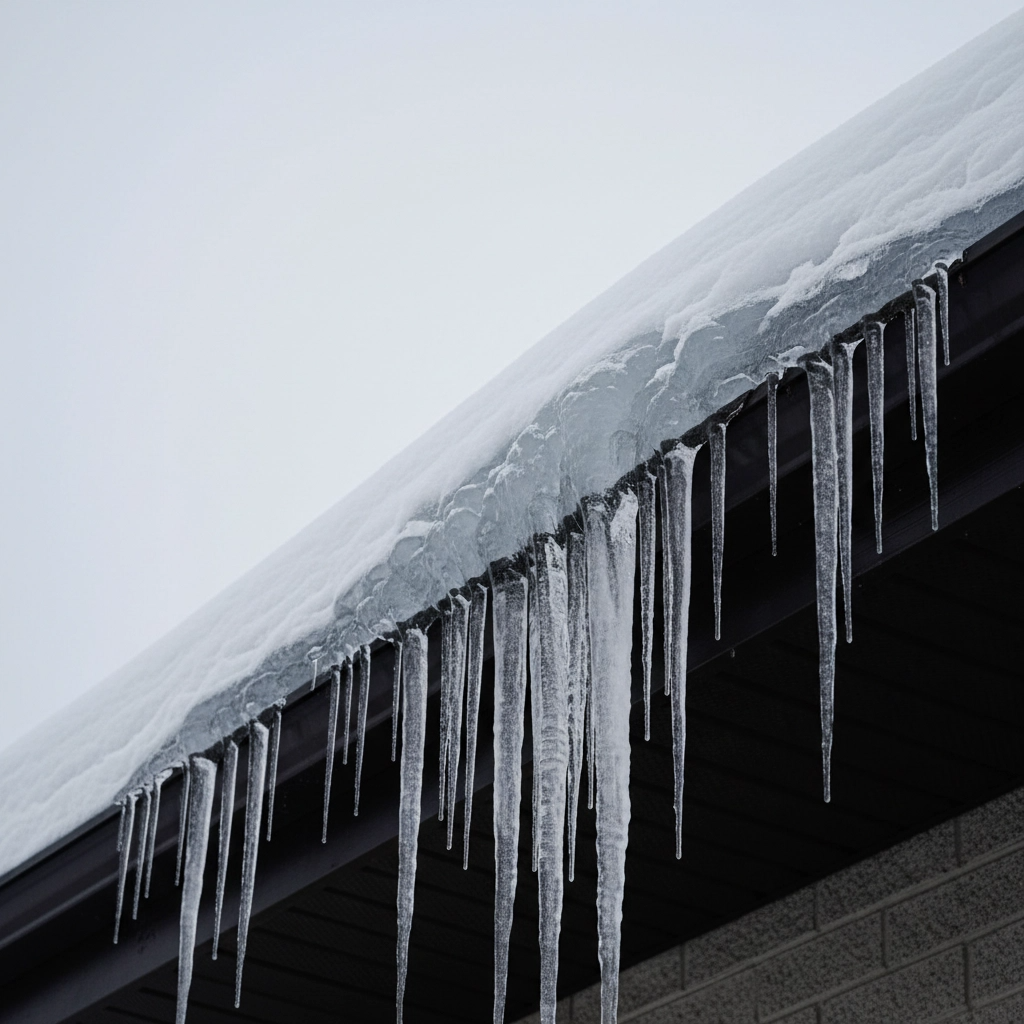
The Real Problem: Clogged gutters don't just overflow – they create ice dams that force water back under your roof shingles. This leads to interior water damage, mold growth, and structural rot that can easily cost $10,000+ to repair.
The Pro Solution: Clean gutters thoroughly before the first snowfall, removing all leaves and debris. But here's the insider tip most people miss – ensure your downspouts direct water at least 5 feet away from your foundation. I've seen too many homes with perfect gutters that still flood basements because of poor drainage.
Cost-Saving Upgrade: Consider installing gutter guards. Yes, they're an upfront investment, but they'll save you from annual cleanings and reduce the risk of ice-related damage significantly.
Roof Maintenance: Small Fixes, Huge Savings
Your roof takes a beating every winter, but most damage starts small and snowballs (literally). Here's your prevention playbook:
The Visual Inspection: Before snow season, grab binoculars and inspect your roof shingles for curling, cracking, or missing sections. Check flashing around chimneys and vents – loose flashing is a common leak source that's cheap to fix now but expensive to ignore.
Snow Management Strategy: Invest in a telescoping roof rake and use it regularly. Wet snow buildup creates dangerous weight loads and, when it melts and refreezes, forms those costly ice dams. A $50 roof rake can prevent a $15,000 roof replacement.
Professional Insight: If you're planning to sell within the next few years, addressing minor roof issues now prevents them from becoming deal-breakers during home inspections. I've seen too many sales fall through over "minor" roof problems that could have been fixed for hundreds instead of thousands.
HVAC: Your Winter Lifeline
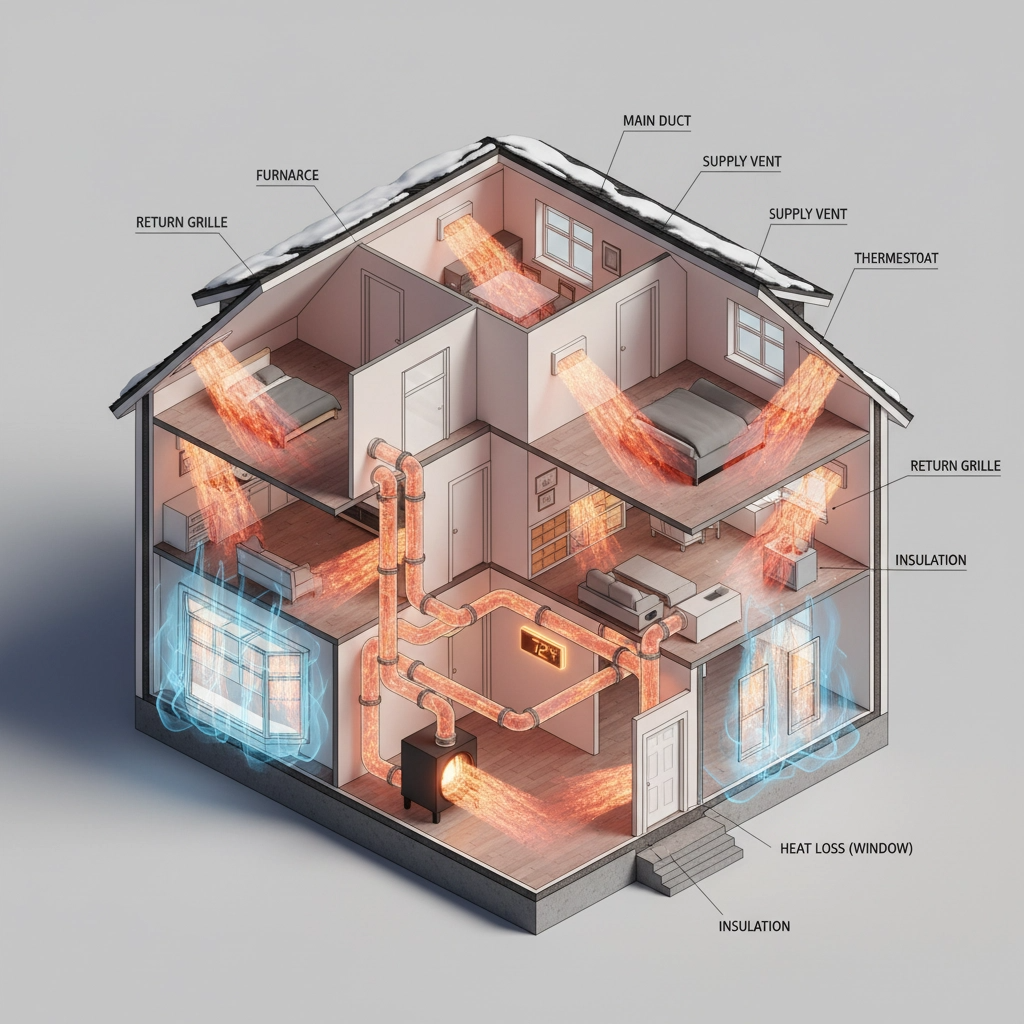
Your heating system is your home's heart during Canadian winters. Skip maintenance here, and you're gambling with both comfort and cash.
The Pre-Season Tune-Up: Schedule professional HVAC inspection before heating season begins. This isn't just about efficiency – it's about preventing emergency breakdowns when service calls cost premium rates and technicians are booked solid.
Monthly Maintenance: Replace air filters monthly during heavy use periods. Clogged filters force your system to work harder, increasing energy bills and reducing lifespan. Clean air vents and returns regularly to ensure proper airflow.
Smart Investment: Upgrade to a programmable thermostat if you haven't already. Modern smart thermostats can reduce heating costs by 10-15% by automatically adjusting temperatures based on your schedule.
Water Systems: Preventing the Freeze
Nothing ruins a winter morning like discovering your pipes have frozen – or worse, burst. Here's how to bulletproof your plumbing:
Pipe Insulation Strategy: Inspect pipes running along exterior walls. These are your most vulnerable spots. Insulating these pipes costs under $50 but prevents thousands in water damage and emergency plumbing calls.
Water Heater Maintenance: Flush your water heater tank to remove sediment buildup, which reduces efficiency and shortens lifespan. Check the pressure relief valve and inspect for corrosion or leaks. Insulate your water heater and hot water pipes to reduce heat loss.
The Emergency Prevention Kit: Know where your main water shutoff is and ensure family members can locate it quickly. Keep pipe insulation materials and a hair dryer handy for minor freeze situations.
Weatherproofing: Stop Paying to Heat the Outdoors
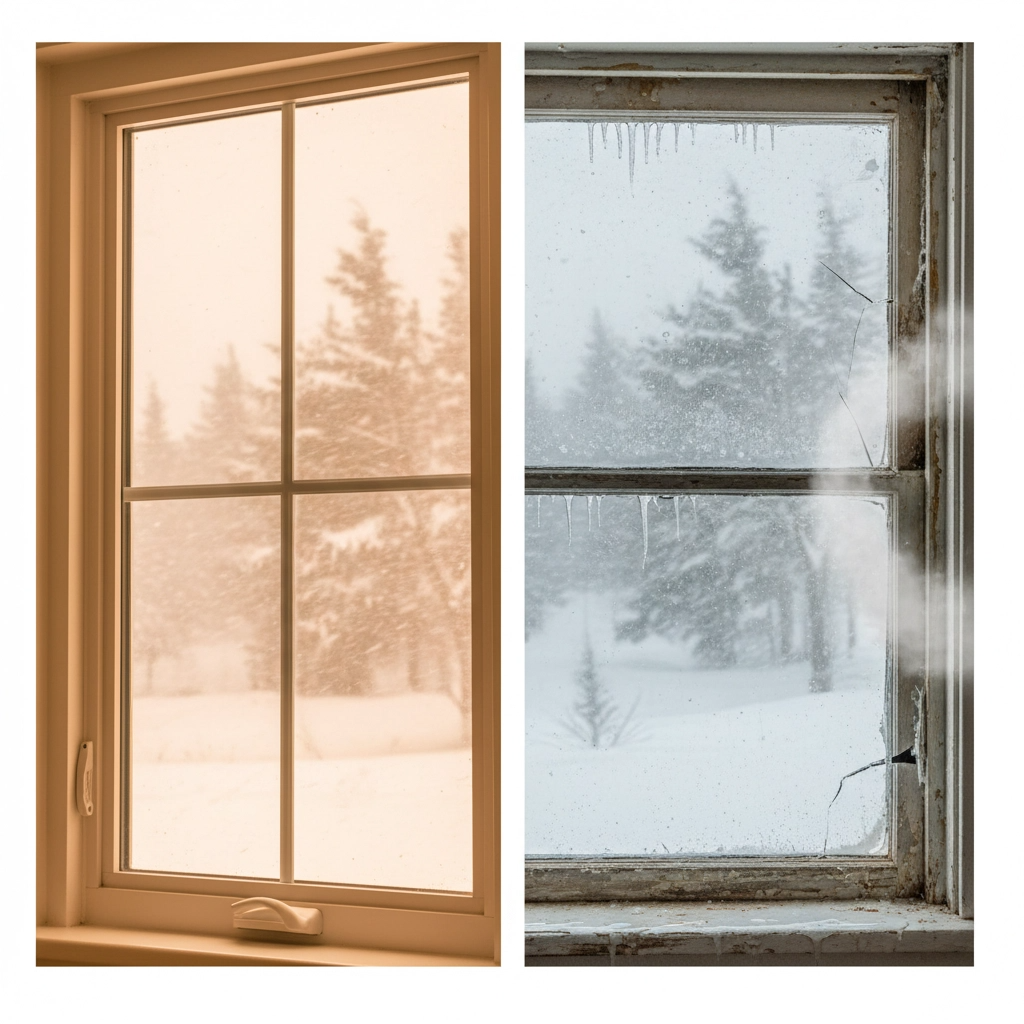
Air leaks are silent budget killers. You're literally paying to heat the outdoors through gaps around windows and doors.
The Seal Strategy: Use adhesive-backed EPDM rubber or foam weatherstripping to seal gaps around windows and doors. Add insulating door sweeps to eliminate bottom gaps. These small investments can reduce heating bills by 10-20%.
Insulation Assessment: Check attic insulation levels and ventilation. Proper insulation prevents heat loss while proper ventilation prevents ice dams. This is often the highest-ROI improvement you can make.
Pro Tip for Sellers: Buyers notice drafty homes immediately. Addressing air leaks before listing makes your home feel more comfortable during showings and can justify higher asking prices.
Fireplace and Chimney: Safety First, Savings Second
A neglected fireplace isn't just a fire hazard – it's a money pit waiting to happen.
Professional Inspection: Have your chimney professionally inspected and cleaned annually. Creosote buildup is a serious fire hazard, and blockages can cause dangerous carbon monoxide issues.
DIY Maintenance: Install a chimney cap to prevent debris, rain, and animals from entering. Check fireplace screens and doors for damage. These simple steps prevent expensive structural damage and potential house fires.
Safety Systems: Your Early Warning Network
Winter safety isn't just about comfort – it's about protecting your investment.
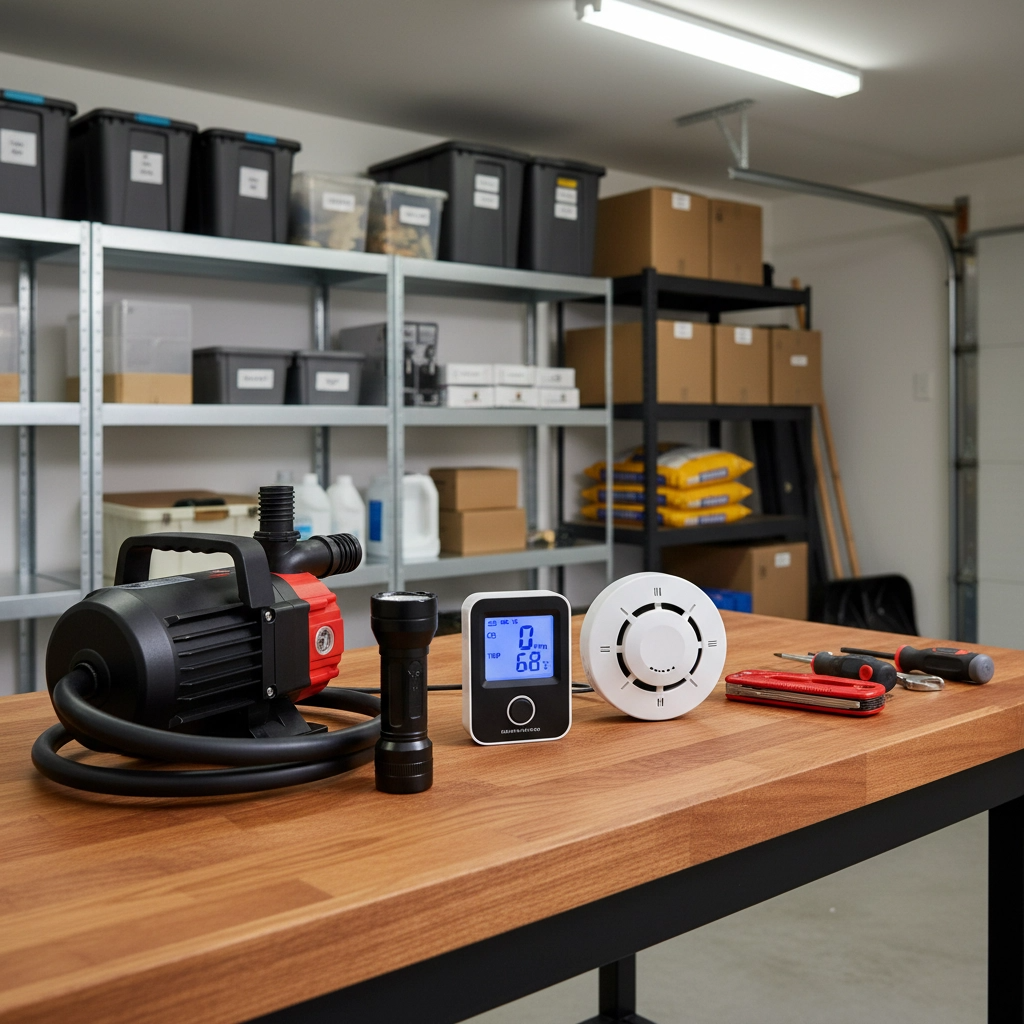
Detector Maintenance: Check smoke and carbon monoxide detector batteries monthly. Winter means closed windows and increased furnace use, making these detectors crucial.
Sump Pump Testing: Test your sump pump before winter weather arrives. A failed sump pump during spring thaw can flood your basement, causing tens of thousands in damage.
Equipment Preparation: Be Ready Before You Need It
Snow Removal Gear: Service your snow blower before the first snowfall. Check fuel, oil, spark plugs, and ensure it starts easily. Stock up on rock salt or ice melt – prices skyrocket during storms.
Emergency Preparedness: Keep backup heating sources (safely stored), emergency supplies, and contact information for reliable contractors. Being prepared prevents panic-buying expensive emergency services.
The Bottom Line: Prevention Pays
As a real estate professional, I've seen the financial impact of both preventive maintenance and neglect. Homeowners who invest $500-$1,000 annually in preventive winter maintenance typically avoid $5,000-$15,000 in emergency repairs and insurance claims.
More importantly, well-maintained homes hold their value better and sell faster when the time comes. Whether you're staying put or planning to sell, these winter maintenance strategies protect both your comfort and your investment.
Remember, winter maintenance isn't just about surviving the season – it's about thriving through it while keeping your hard-earned money in your pocket where it belongs.
If you're considering selling your home or need advice on maintenance that adds value, I'm here to help. After all, a well-maintained home isn't just a better place to live – it's a smarter investment.